
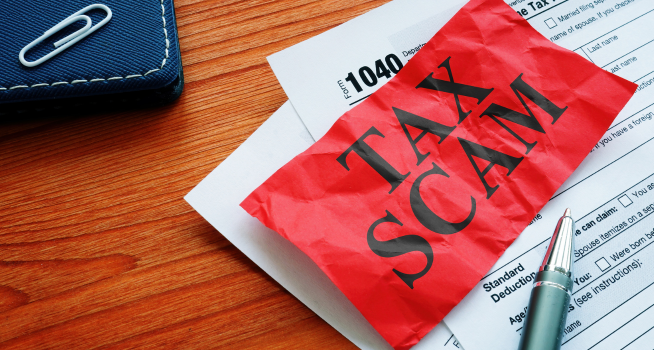
Stay Sharp This Tax Season: Spot the Red Flags Before Scammers Strike
Tax season is stressful enough — paperwork, deadlines, receipts from six months ago tucked into turnout coat pockets. But for firefighters and their families, scammers are turning up the heat. Each year, fraudsters design new schemes that prey on urgency, exhaustion, and the trust that members of the Fire Family extend to their communities.
This season, we're helping you stay sharp and spot the red flags before a scam catches fire.
Why Tax Scammers Target the Fire Service
Scammers love an easy opening — and urgency is their favorite tool. Firefighters operate in urgent environments every day, and fraudsters try to mimic that pressure through "act now" messages, surprise refund alerts, and threatening phone calls.
Nationwide, both the IRS and FTC report a surge in impersonation scams designed to create panic or confusion, leading people to share sensitive information before they've had time to think.
At Firefighters First, Joe Boeser, SVP Enterprise Risk Management, sees these trends up close. Joe notes that urgency itself is one of "the biggest red flags — scammers want you to react before you think". He emphasizes that pausing to verify can prevent long-term damage: "Slow down, verify, and always start with trusted sources like IRS.gov."
Red Flags Every Firefighter Should Watch For
1. Surprise "Unclaimed Refund" MessagesConsumer Affairs notes that any scams begin with an unexpected text or email claiming you have a refund waiting. These messages often link to fake IRS pages designed to steal your login credentials.
Chantel Perez, Manager of BSA & AML Programs, has seen this spike every tax season. Phishing and impersonation scams spike during tax season because criminals know members are expecting financial updates. Never click on unexpected links or respond to surprise requests for documents — especially if someone claims to be the IRS or a tax professional. Her point aligns with the IRS's own warnings about emails that push you to "update" your information or log in through suspicious, look alike websites.
2. High Pressure Calls Claiming to Be the IRS
If a caller demands payment, threatens arrest, or insists you act immediately, you're not talking to the IRS.
Real IRS contact:
- Starts with a letter
- Never demands instant payment
- Never asks for gift cards, wire transfers, or payment over text or email
These pressure based calls are designed to break your concentration — something firefighters understand well.
Joe often emphasizes that when something feels rushed or intimidating, that's a red flag in itself — trust your instincts and verify through official IRS channels.
3. Phishing Emails With Suspicious Links
Phishing emails often mimic IRS branding, but the details give scammers away:
- Odd or misspelled URLs
- Unexpected attachments
- Messages asking you to "update your e file" or "verify your refund information"
These emails are increasingly convincing. The IRS has specifically warned taxpayers about fake links that lead to credential stealing websites.
Chantel warns that criminals rely heavily on impersonation during tax season, especially when they know members are expecting financial updates. Her rule of thumb: never click a link you weren't expecting.
4. Fake or Uncredentialed Tax Preparers
Fraudulent tax preparers promise big refunds or "special programs" but may steal your personal info or file false returns without your knowledge.
Always confirm credentials through reputable registries — such as the IRS's official directory — and avoid preparers who base their fees on the size of your refund. For a transparent, firefighter-focused option, explore our Tax Services — clear pricing, secure document upload, and guidance you can trust.
How to Stay Sharp: Practical Steps for the Fire Family
✓ Go straight to IRS.govNever click links in messages claiming to be from the IRS. Type IRS.gov directly into your browser.
✓ Protect your information — alwaysThe IRS does not ask for your Social Security number, bank account info, or passwords through email, text, or unsolicited phone calls.
✓ File earlyThe earlier you file, the less opportunity scammers have to submit a fraudulent return in your name.
✓ Watch for panic based tacticsScammers rely on emotional pressure. If it feels rushed or threatening, it's a scam — whether it arrives by phone, email, or text.
Chantel often reminds members that scammers count on a split second panic reaction. Joe adds that if something doesn't feel quite right, that hesitation is worth listening to — and worth verifying.
Firefighters First Has Your Back
Fraudsters may be working overtime this tax season — but so are we. Our teams monitor emerging threats year round, update member resources, and educate our Fire Family on the latest scam tactics.
If something doesn't look right — a message, a letter, a call — reach out to us before you respond.
We'll help you determine what's legitimate and what's a red flag.
Before you click, share, file, or reply — pause.
Stay sharp. Stay aware. Stay protected.