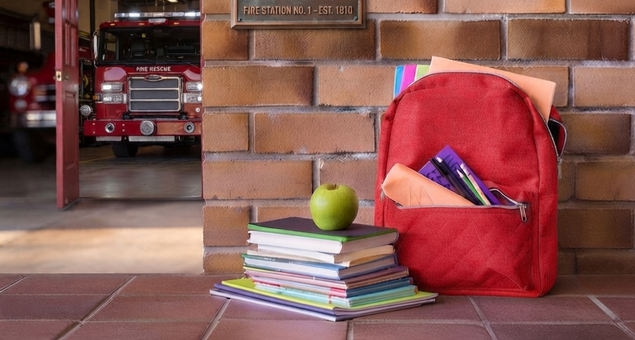
August has a way of feeling like controlled chaos.
One minute you’re finishing a shift change and restocking gear. The next, you’re hunting down school supply lists, shopping for a dorm room or wondering how the summer disappeared so quickly. For firefighter families, the back-to-school season isn’t just busy. It’s a juggling act between unpredictable shift schedules, family milestones and unexpected surprises.
Unfortunately, scammers know exactly how hectic this time of year is.
They used to rely on catching people at a distracted moment, hoping they wouldn’t notice sloppy layouts or obvious spelling errors. Today, the game has changed. Fraudsters are using generative AI to write professional-looking content, create realistic images and build websites that appear legitimate.
Modern scams don’t always look suspicious. They often look polished, professional and trustworthy.
The good news? Even AI-powered fraud leaves clues if you know where to look. Consider this your tactical guide to protecting your hard-earned money and your peace of mind this season.
1. The “Bootleg” Gear and Merch Trap
Firefighters take deep pride in their profession, which is why custom station shirts, department merchandise and specialized off-duty apparel are always popular.
Scammers leverage this pride by creating highly convincing fake online storefronts and social media ads. With advanced AI tools at their disposal, criminals can generate polished website copy and realistic product images that mimic legitimate vendors. They frequently steal department logos and firefighter imagery to advertise deeply discounted gear or “exclusive” designs. In some cases, you’ll receive a cheap knockoff. In others, you’ll never receive anything at all. In many cases, their primary goal is collecting payment information and personal data.
New Red Flags to Watch For
Too-Good-to-Be-True Pricing
Even if the website looks professional, the price is often the biggest giveaway. Be cautious of deals that are dramatically lower than those offered by established retailers.
The “Flawless” Ghost Site
Don’t rely on spelling mistakes or broken English anymore. Instead, look for a lack of depth. The site may have missing company information, broken links or reviews that sound overly generic, repetitive or unusually perfect.
Sketchy Contact Information
Look beyond the design. A legitimate business should provide clear ways to contact customer support, including an email address, phone number or physical location.
High-Pressure Tactics
Countdown timers and warnings that inventory is “almost sold out” are often designed to push you into making a quick decision before you’ve verified the website.
How to Protect Yourself
- Buy from established, verified vendors whenever possible.
- Research unfamiliar companies before making a purchase.
- Avoid saving payment information on websites you don’t trust.
- Take a few extra minutes to verify that the website is legitimate.
Use a credit card when shopping online. Credit cards often provide stronger fraud protections and dispute options than many other payment methods if something goes wrong.
Stay Protected: You can monitor your accounts and discover more fraud prevention resources directly through the Firefighters First Security Center.
2. Dorm Deals vs. Danger Zones
Sending a child off to college or helping them move into their first apartment often comes with a shopping list a mile long. Furniture, electronics, kitchen supplies and apartment deposits can add up quickly, which is why many families turn to online marketplaces in search of a deal.
Unfortunately, scammers know that too.
One of the most common schemes is the “phantom seller” or “phantom landlord” scam. The listing looks legitimate. The photos look professional. The seller claims other buyers are interested and demands an immediate deposit through Zelle, Venmo, Cash App or another peer-to-peer payment service to reserve the item or rental.
The moment the money is sent, the seller disappears.
The Reality of P2P Apps
Peer-to-peer payment apps are incredibly convenient, but they were designed for sending money to people you know and trust. They typically do not provide the same buyer protections associated with credit card purchases.
Once money is sent to a scammer, recovering it can be difficult or impossible.
How to Protect Yourself
- Never pay for an item or rental before seeing it in person.
- Walk away from anyone pressuring you to act immediately.
- Verify rental listings independently before sharing personal information or sending money.
- Use secure payment methods when purchasing from established online retailers.
A Financial Turning Point
Sending a child off to college often marks the beginning of a new chapter for the entire family. It’s a good time to talk about financial security, account safety and credit building. For some families, it’s also an opportunity to review beneficiary designations, update estate planning documents such as wills and trusts or revisit long-term financial goals. If your family is navigating these changing financial dynamics, college costs or future estate planning goals (like updating wills, trusts and powers of attorney as your child enters adulthood), Firefighters First Investment Services can help support your family’s broader financial picture.
3. The “Failed School Fee” Text Scam
You’re between calls on a busy shift or helping with homework while making dinner. Suddenly, your phone buzzes:
URGENT: Your student’s registration fee payment has failed. Submit payment within 2 hours or enrollment will be suspended.
It’s natural to feel concerned for a moment.
That’s exactly what scammers are counting on.
This type of fraud is known as smishing, or phishing through text messages. The goal is to create enough urgency that you click a link and enter payment information or account credentials before taking time to verify whether the message is legitimate.
In most cases, the link leads to a fake website designed to steal personal and financial information.
How to Protect Yourself
Pause and Breathe
Never react immediately to a text message demanding urgent financial action.
Don’t Click
Avoid clicking links in unexpected text messages.
Go Direct
Log into your school’s official parent portal or contact the school using a verified phone number you already know is legitimate.
A Minute of Caution Can Save Thousands
Scammers aren’t necessarily getting smarter. They’re getting faster, more convincing and better at taking advantage of busy schedules.
Whether you’re ordering gear for the station, furnishing a dorm room or responding to an unexpected text message, taking an extra minute to verify the source can make all the difference.
Back-to-school season is challenging enough without dealing with the financial and emotional stress of fraud. A few simple precautions today can help keep your finances secure, your family protected and your focus where it belongs.
Protect What Matters Most
Take control of your financial safety before life gets even busier. Explore our Firefighters First Credit Cards for enhanced purchase protection, review security tips at our Security Center or connect with Investment Services to ensure your family’s financial future stays rock solid at every stage of life.